
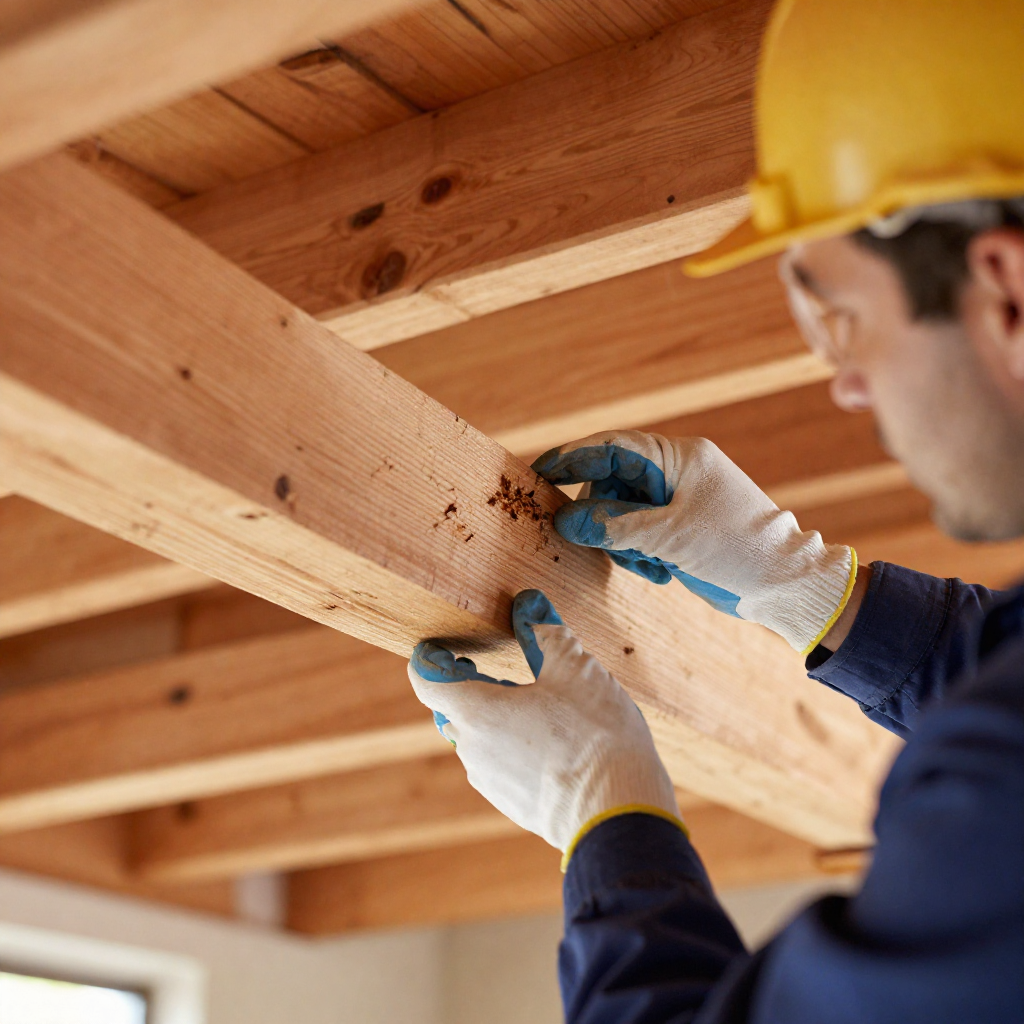
Woodworm infestations can be frustrating and costly, especially when they affect valuable furniture, structural beams, or historic timber. One question homeowners often ask is, “Why does woodworm attack one piece of wood but leave another untouched?” The answer lies in a combination of wood type, moisture levels, age, environmental conditions, and the preferences of different wood-boring beetle species.
Contrary to popular belief, woodworm does not infest every piece of timber it encounters. Adult beetles carefully select suitable places to lay their eggs, ensuring the developing larvae have the right conditions to survive and feed for several years. Understanding how woodworm chooses wood can help you identify high-risk areas and take preventive measures before an infestation begins.
In this guide, we’ll explain the factors that influence woodworm infestations, the types of timber most at risk, and practical ways to protect your home.
What Is Woodworm?
Despite its name, woodworm is not actually a worm. The term refers to the larvae of several species of wood-boring beetles, including:
- Common Furniture Beetle (Anobium punctatum)
- Deathwatch Beetle (Xestobium rufovillosum)
- House Longhorn Beetle (Hylotrupes bajulus)
- Powderpost Beetles (Lyctus species)
Adult beetles lay eggs on suitable timber. After hatching, the larvae tunnel into the wood and feed on it for two to five years, although some species remain inside for much longer.
Because the larvae spend most of their lives hidden within the timber, infestations often go unnoticed until exit holes and fine powder (frass) appear.
How Do Woodworm Beetles Choose Wood?
Adult beetles don’t choose wood at random. They instinctively look for conditions that give their offspring the best chance of survival.
Several factors influence their decision.
1. Moisture Content
One of the most important factors is moisture.
Many wood-boring beetle species prefer timber with elevated moisture levels because softer, damp wood is easier for newly hatched larvae to penetrate and digest.
Common sources of excess moisture include:
- Roof leaks
- Plumbing leaks
- Condensation
- Poor ventilation
- Damp basements
- High indoor humidity
Keeping timber dry is one of the most effective ways to reduce the risk of infestation.
2. Type of Wood
Different beetle species prefer different types of timber.
Softwoods
Softwoods commonly attacked include:
- Pine
- Spruce
- Fir
These are frequently used in:
- Roof structures
- Floor joists
- Furniture
- Loft beams
The Common Furniture Beetle and House Longhorn Beetle often target softwoods.
Hardwoods
Some species prefer hardwoods such as:
- Oak
- Ash
- Walnut
- Elm
The Deathwatch Beetle and Powderpost Beetles are more commonly associated with hardwood timber.
3. Age of the Timber
Older wood is generally more attractive than newly treated timber.
This is because older timber often has:
- Surface cracks
- Worn finishes
- Untreated areas
- Existing exit holes
- Weathering
These features provide ideal locations for female beetles to lay their eggs.
Historic buildings and antique furniture are therefore more susceptible to woodworm.
4. Untreated Wood
Modern timber is often pressure-treated with preservatives that discourage insect attack.
Older untreated wood lacks this protection.
Furniture, roof beams, and floorboards that have never received protective treatment face a much higher risk of infestation.
5. Surface Texture
Adult beetles prefer rough or damaged wood over perfectly smooth surfaces.
Ideal egg-laying sites include:
- Natural cracks
- Open joints
- Small crevices
- Existing exit holes
- Unfinished timber
These protected spaces help shield eggs until they hatch.
6. Presence of Previous Infestations
Interestingly, woodworm may return to timber that has already been attacked.
Old exit holes and damaged surfaces provide convenient locations for female beetles to lay fresh eggs.
This doesn’t necessarily mean the previous infestation is still active, but untreated timber remains vulnerable.
7. Environmental Conditions
Woodworm thrives in stable indoor environments where conditions remain suitable for larval development.
Homes with:
- Poor ventilation
- Moderate temperatures
- Consistent humidity
- Limited disturbance
often provide excellent breeding conditions.
Lofts, basements, garages, and storage rooms are particularly attractive.
Which Wooden Items Are Most at Risk?
Woodworm commonly infests:
Structural Timber
Including:
- Roof beams
- Floor joists
- Ceiling joists
- Staircases
- Timber framing
Wooden Furniture
Especially:
- Antique wardrobes
- Dining tables
- Cabinets
- Chairs
- Bookshelves
- Chests of drawers
Decorative Woodwork
Such as:
- Skirting boards
- Window frames
- Doors
- Wooden paneling
Regular inspections of these areas can help identify infestations early.
Does Woodworm Prefer Dead Wood?
Yes.
Wood-boring beetles almost always infest seasoned or dead timber, not living trees.
Most species found in homes attack wood that has already been cut and incorporated into buildings or furniture.
Living trees are typically attacked by different species with different life cycles.
Can Painted or Varnished Wood Be Infested?
Yes.
Although paint and varnish offer some protection, they are not guaranteed barriers.
Female beetles can still lay eggs in:
- Cracks
- Exposed edges
- Damaged finishes
- Open joints
- Existing exit holes
Well-maintained finishes reduce the risk but cannot eliminate it entirely.
Can Woodworm Infest New Furniture?
New furniture is much less likely to become infested because modern timber is usually kiln-dried and treated.
However, infestations can occasionally occur if:
- The timber was already infested before manufacture.
- The furniture is stored in damp conditions.
- It comes into contact with infested antique furniture.
Regular inspection remains worthwhile, especially for solid wood furniture.
How to Make Wood Less Attractive to Woodworm
Fortunately, homeowners can reduce the likelihood of infestation by improving the conditions around their timber.
Keep Wood Dry
Repair leaks promptly and maintain indoor humidity at appropriate levels.
Improve Ventilation
Ensure lofts, basements, and crawl spaces have good airflow.
Apply Wood Preservatives
Treat exposed timber using products designed to protect against wood-boring insects.
Inspect Antique Furniture
Regularly check for:
- Exit holes
- Fresh frass
- Loose joints
- Soft timber
Address Damp Problems Quickly
Removing excess moisture is often the single most effective preventive measure.
Signs That Woodworm Has Chosen Your Timber
Early detection helps prevent extensive damage.
Look for:
- Small round exit holes
- Fine powdery frass
- Weak or crumbling timber
- Live beetles during spring and summer
- Hollow-sounding wood
If these signs appear, professional assessment is recommended.
When Should You Call a Professional?
Professional assistance is advisable if:
- Structural beams are affected.
- Fresh frass continues appearing.
- New exit holes develop each year.
- Timber becomes soft or unstable.
- Multiple wooden items show signs of infestation.
A timber preservation specialist can identify the beetle species, determine whether the infestation is active, and recommend the most effective treatment.
Common Myths About Woodworm
Myth 1: Woodworm Attacks Every Type of Wood
False. Different beetle species have different preferences for wood type, moisture, and condition.
Myth 2: New Timber Cannot Get Woodworm
Incorrect. While treated timber is less vulnerable, it is not completely immune if exposed to suitable conditions.
Myth 3: Dry Wood Never Gets Woodworm
Dry timber is less attractive, but some species can still infest seasoned wood if other conditions are favorable.
Conclusion
Woodworm doesn’t randomly choose timber to infest. Adult wood-boring beetles carefully select wood based on factors such as moisture content, timber species, age, surface condition, and environmental conditions. Damp, untreated, older wood with cracks or existing holes offers the ideal environment for larvae to develop, making antique furniture and structural beams particularly vulnerable.Further Reading: https://www.shashel.eu official site for microwave woodworm treatment equipment.